

Canadian winters put a lot of pressure on household systems and your water heater is no exception. When temperatures drop, hot water becomes less of a convenience and more of a daily necessity. From longer showers to extra laundry loads and constant dishwashing, winter significantly increases hot water demand.
If your current water heater struggles to keep up, it may be time to consider a more efficient solution. One option that continues to gain popularity across Canadian homes is the Power Vent Water Heater.
Let’s explore why.
Why Hot Water Demand Increases in Winter
During winter months, incoming water temperatures are much colder. That means your water heater must work harder and longer to heat the same amount of water compared to summer.
At the same time:
- Showers tend to be longer and hotter
- Families spend more time indoors
- Laundry loads increase
- Dishwashing becomes more frequent
All of this places additional strain on your water heating system. If your unit is older or less efficient, you may notice slower heating, running out of hot water quickly, or higher energy bills.
This is where understanding your system and choosing the right one becomes important.
What Is a Power Vent Water Heater?
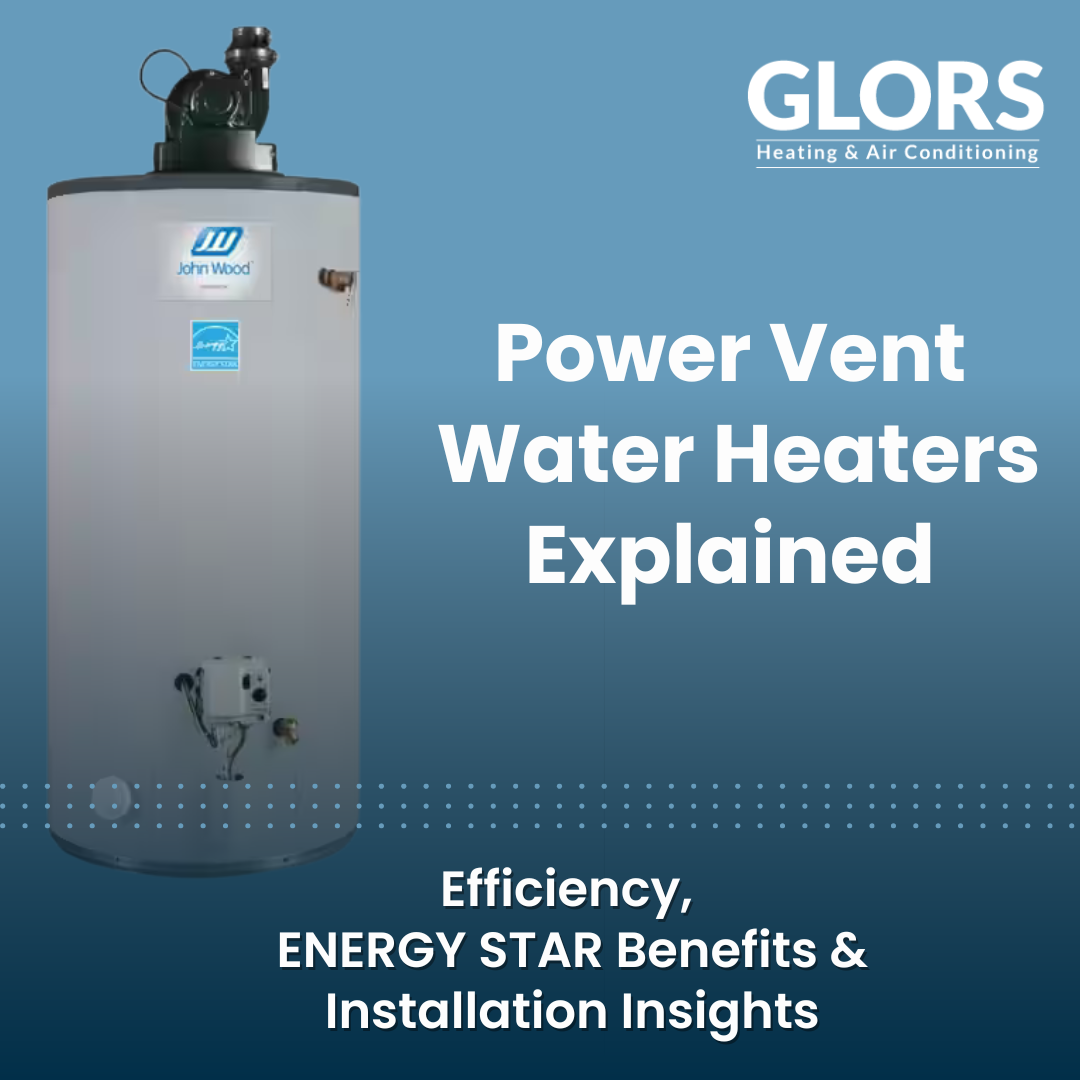
A Power Vent Water Heater uses a fan-assisted exhaust system to push combustion gases safely outside your home. Unlike traditional atmospheric models that rely on natural venting through a chimney, power vent units use mechanical assistance to vent exhaust gases.
This design allows for:
- Flexible installation options
- Improved energy efficiency
- More consistent performance
In many modern Canadian homes, especially those without traditional chimney systems, power vent models are a practical and efficient solution.
How Power Vent Models Differ from Standard Tank Water Heaters
While both standard tank models and power vent models store hot water in a tank, the key difference lies in how they vent exhaust gases.
Standard tank models rely on natural draft venting. This works well in certain home layouts but can be less efficient and more restrictive in installation options.
Power vent systems, on the other hand:
- Use a built-in fan to control venting
- Allow horizontal venting through side walls
- Offer more placement flexibility
- Improve overall combustion efficiency
For homeowners renovating, upgrading, or building, this added flexibility can make a significant difference.
The Benefits of Power Vent Water Heaters
Higher Efficiency
Modern power vent models, such as the John Wood units available in the Canadian market, offer industry-leading efficiency ratings up to 0.70 EF (Energy Factor). Even larger 75-gallon models maintain strong performance at 0.68 EF.
Higher efficiency means:
- Better energy use
- Lower operational costs
- Reduced energy waste
Over time, this can translate into noticeable savings on utility bills.
ENERGY STAR® Qualified Options
Some power vent water heaters are ENERGY STAR® certified, meaning they meet strict energy efficiency guidelines set for performance and environmental standards.
For homeowners looking to reduce energy consumption while maintaining comfort, this certification provides additional peace of mind.
Quieter Operation
Modern power vent systems are designed for ultra-quiet performance. The integrated fan operates smoothly, minimizing noise compared to older or less advanced models.
In homes where the water heater is located near living spaces, quiet operation becomes an important factor.
Reliable Performance
Consistency matters especially in winter.
Power vent water heaters are built to deliver steady hot water output even during high-demand periods. When installed and maintained properly, they provide dependable operation year-round.
At GLORS HEATING & AIR CONDITIONING, we often see that homeowners value reliability just as much as efficiency. A system that performs consistently reduces stress and unexpected interruptions.
When Should Homeowners Consider Upgrading?
You may want to consider upgrading to a power vent water heater if:
- Your current unit is 10–15 years old
- You frequently run out of hot water
- Energy bills are increasing without clear reason
- You’re renovating or finishing a basement
- Your home does not have a traditional chimney venting system
Upgrading is not always about replacing a failed unit — sometimes it’s about improving comfort and efficiency before problems arise.
An informed assessment can help determine whether your existing system is still serving your home effectively.
Choosing the Right Water Heater for Your Home
Every home is different. Family size, water usage habits, home layout, and energy efficiency goals all play a role in determining the right system.
That’s why proper evaluation matters.
At GLORS HEATING & AIR CONDITIONING, we believe homeowners should understand their options before making a decision. Whether maintaining an existing system or exploring an upgrade, clarity leads to better long-term comfort.
Winter in Canada demands more from your home systems and your water heater is no exception. A Power Vent Water Heater offers improved efficiency, quieter performance, and reliable hot water when you need it most.
If your current system feels stretched during colder months, it may be worth exploring whether a more efficient solution fits your home.
Comfort starts with informed choices and the right equipment makes all the difference.
